The complete chicken feed guide
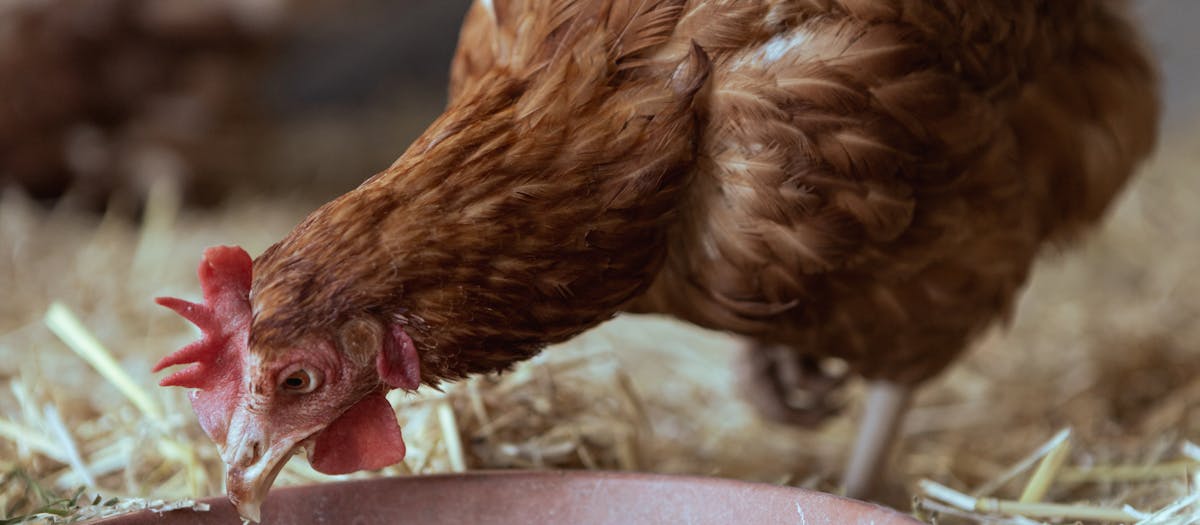
Chicken feed comes in four stages: starter for chicks (0–6 weeks), grower for the in-between birds (6–18 weeks), layer for hens in production (18+ weeks), plus scratch grain as a treat — never a meal. For most backyard keepers, layer feed is the bag you will buy most often. Get the stage right and the brand matters far less than the marketing suggests.
One of my hens, Hattie, went off the lay for about six weeks once. I chased it for a while before I worked out the cause was a calcium drop — I had switched to a feed that was not properly fortified, and her eggshells told the story before I did. That is the short version of why this guide leads with feed stages and calcium, not with brand names. Below: the four stages, the organic question, the medicated-starter question, how much your flock actually eats, storage, the top picks per stage, how to switch feeds, and the mistakes worth skipping.
The 4 feed stages of a chicken's life
Every bag of feed is built for a stage. Feeding the wrong stage is the single most common backyard feed mistake. Here is the whole arc on one screen.
| Stage | Age | Protein | Notes |
|---|---|---|---|
| Starter | 0–6 weeks | 18–20% | Finely crumbled; medicated or unmedicated |
| Grower | 6–18 weeks | 15–17% | Transitional; no added calcium yet |
| Layer | 18+ weeks | 16–18% | 3.5–4.5% calcium for eggshell production |
| Scratch / treats | Any age | Low | Supplement only — keep to ≤10% of the diet |
Starter (0–6 weeks)
Chicks need 18–20% protein in a finely crumbled feed they can actually pick up. The one decision at this stage is medicated versus unmedicated — covered in its own section below. Starter feed has no added calcium, and that is deliberate; young birds cannot process it.
Grower (6–18 weeks)
Once chicks feather out, they move to a 15–17% protein grower feed. It is a transitional ration — enough protein to keep them growing, still no added calcium because they are not laying yet. Some keepers use an all-flock or "flock raiser" feed across this stage, which works well for mixed-age birds.
Layer (18+ weeks)
When hens start laying, they switch to layer feed: 16–18% protein plus 3.5–4.5% calcium for eggshell production. This is the feed that, for most backyard flocks, you will be buying on repeat for years. Pair it with free-choice oyster shell on the side so each hen can top up her own calcium.
Scratch and treats
Scratch grain is a supplement, not a feed. It is low in protein and high in carbohydrate — fine as a small daily treat that gets birds foraging and turning their bedding, but it should stay under about 10% of the total diet. Treat it like dessert.
Organic vs non-GMO vs conventional
Three labels, one decision. Certified organic feed is made from grains grown to USDA organic standards — no synthetic pesticides, no GMO crops. Non-GMO Project Verified feed guarantees no genetically modified ingredients but is not necessarily organic in other respects. Conventional feed has no such restrictions and is the lowest cost. Organic typically runs 1.5 to 2 times the price of conventional. Nutritionally, a well-formulated conventional feed raises healthy, productive hens — so this is a values-and-budget decision, not a flock-health one. Decide what matters to you, then buy the cheapest feed that meets that bar.
Medicated vs unmedicated chick starter
Medicated chick starter contains amprolium, which helps young birds resist coccidiosis — a common intestinal parasite — while their immune systems develop. Unmedicated starter is nutritionally identical, just without the additive. The decision usually comes down to brooder hygiene, whether your chicks were vaccinated for coccidiosis at the hatchery (you do not use medicated feed with vaccinated chicks), and what experienced keepers in your area recommend for local conditions.
This is a livestock-medication topic, so we will be plain about the limits of a buyer's guide: we are not going to give dosing advice or diagnose a sick bird. For a recommendation tuned to your situation, talk to your state's cooperative extension poultry specialist or a poultry vet — that is the right source, and it is usually free.
How much feed do chickens eat
A laying hen eats roughly a quarter pound of feed per day, which works out to about 1.5 lb per week. Scale that up: a flock of six hens eats around 10 lb a week, so a 50 lb bag lasts about five weeks. In dollars, expect somewhere between $0.30 and $0.80 per bird per week depending on brand and whether you have gone organic. Birds with real foraging space eat a little less bagged feed in the warm months.
Storage and shelf life
Feed keeps for about three months from its manufacture date. Store it sealed in a metal or food-grade plastic bin, off the floor, somewhere dry. The enemies are moisture (mould), rodents (contamination), and time (vitamins fade, fats go rancid). Buy what your flock will get through in a few weeks rather than stockpiling a pallet you will be feeding stale.
Top picks per stage
Seven feeds, one per job — verified against current Amazon listings. Match the pick to where your birds are in the four-stage arc above.
| Feed | Best for | Form | Bag size | Price |
|---|---|---|---|---|
| Purina Layena Pellets | Best layer feed overall | Pellets | 25 lb | $32.99 |
| Scratch and Peck Feeds Whole Grain Layer Pellets | Best organic layer | Whole grain pellets | 25 lb | $44.99 |
| Manna Pro 16% Protein Layer Crumbles with Probiotics | Best layer crumbles | Crumbles | 8 lb | $16.22 |
| Purina Start & Grow Medicated Chick Feed Crumbles | Best chick starter (medicated) | Crumbles | 25 lb | $37.99 |
| Manna Pro Chick Starter Feed | Best chick starter (unmedicated) | Crumbles | 5 lb | $6.98 |
| Purina Flock Raiser Crumbles Poultry Feed | Best grower feed | Crumbles | 50 lb | $54.99 |
| Manna Pro 7-Grain Ultimate Chicken Scratch | Best scratch grain | Whole grains | 10 lb | $15.49 |
Best layer feed overall: Purina Layena Pellets

Best layer feed overall
Purina Layena Pellets, Chicken Feed for Laying Hens, 25 lb
Purina
- Form: Pellets
- Bag size: 25 lb
- Life stage: Laying hens
- Type: Complete layer feed
- Manufacturer: Land O'Lakes
A widely available complete pelleted feed formulated for laying hens.
Last checked 2026-05-14
The default layer feed for most backyard flocks. It is a complete pelleted ration for laying hens, widely stocked so you can actually buy it consistently, and the 25 lb bag is a sensible size for a small flock. If you are not sure where to start, start here.
Best organic layer: Scratch and Peck Feeds Whole Grain Layer Pellets

Best organic layer
Scratch and Peck Feeds Whole Grain Layer Pellets, Certified Organic, 25 lb
Scratch and Peck Feeds
- Form: Whole grain pellets
- Bag size: 25 lb
- Protein: 16%
- Certification: USDA Organic, Non-GMO Project Verified
- Free from: Corn-free, soy-free
Certified-organic, Non-GMO Project Verified layer pellets made with cracked grains and whole-food ingredients, free of corn and soy.
Last checked 2026-05-14
The organic layer pick. It is USDA Organic and Non-GMO Project Verified, built from whole and cracked grains, and notably corn-free and soy-free — useful if you are avoiding those specifically. Expect to pay the organic premium for it.
Best layer crumbles: Manna Pro 16% Protein Layer Crumbles with Probiotics

Best layer crumbles
Manna Pro 16% Protein Layer Crumbles with Probiotics, 8 lb
Manna Pro
- Form: Crumbles
- Bag size: 8 lb
- Protein: 16%
- Life stage: Laying hens
- Added: Probiotics, calcium, vitamins and minerals
Complete layer feed in an easy-to-peck crumble form, with 16% protein, added calcium for eggshells and probiotics for digestive health.
Last checked 2026-05-14
The crumble option for layers. Same job as a layer pellet — 16% protein, added calcium — in an easy-to-peck crumble form, with probiotics added for digestion. Crumbles suit younger layers and birds that waste pellets; the smaller bag also suits a very small flock.
Best chick starter (medicated): Purina Start & Grow Medicated Chick Feed Crumbles

Best chick starter (medicated)
Purina Start & Grow Medicated Chick Feed Crumbles, 25 lb
Purina
- Form: Crumbles
- Bag size: 25 lb
- Protein: 18%
- Medicated: Yes
- Life stage: Chicks (starter / grower)
Medicated starter-grower crumble with 18% protein, prebiotics and probiotics, balanced across the 38 nutrients chicks need.
Last checked 2026-05-14
The medicated chick-starter pick. An 18% protein starter-grower crumble with amprolium for coccidiosis prevention, plus pre- and probiotics. Use it with unvaccinated chicks where you want that protection — and re-read the medicated versus unmedicated section above before you decide.
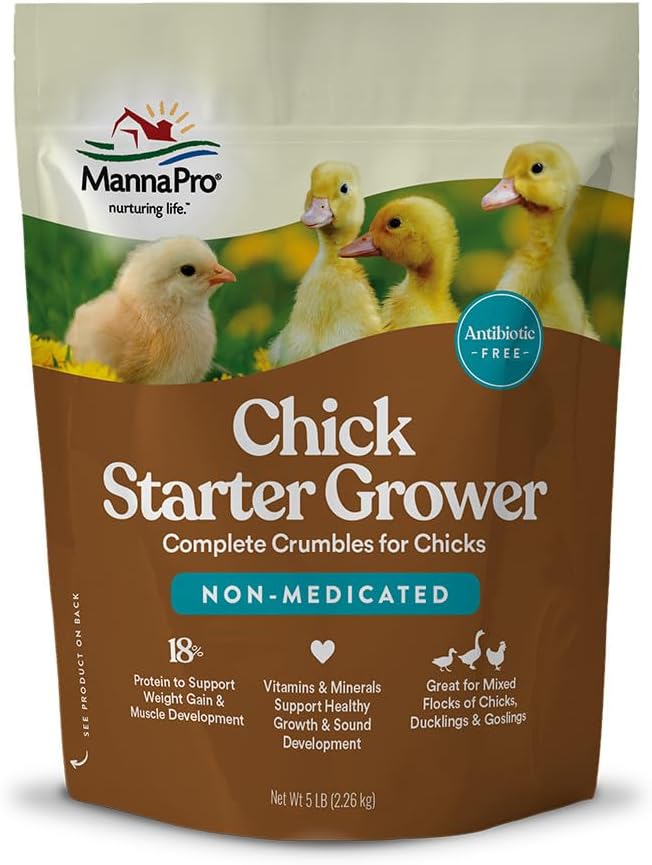
Best chick starter (unmedicated): Manna Pro Chick Starter Feed
Best chick starter (unmedicated)
Manna Pro Chick Starter Feed, Non-Medicated, 5 lb
Manna Pro
- Form: Crumbles
- Bag size: 5 lb
- Medicated: No
- Life stage: Chicks (hatch to 16 weeks)
- Added: Vitamins and minerals
Non-medicated chick starter crumble for keepers who prefer to skip medicated feed, with a soft texture sized for baby chicks.
Last checked 2026-05-14
The unmedicated chick-starter pick, for keepers who run a clean brooder or have coccidiosis-vaccinated chicks. It is a soft crumble sized for baby chicks, fortified with vitamins and minerals, in a small bag that matches how little chicks eat early on.
Best grower feed: Purina Flock Raiser Crumbles Poultry Feed

Best grower feed
Purina Flock Raiser Crumbles Poultry Feed, 50 lb
Purina
- Form: Crumbles
- Bag size: 50 lb
- Protein: 20%
- Life stage: Growing birds and mixed flocks
- Added: Prebiotics and probiotics
Higher-protein (20%) crumble for growing birds and mixed flocks, with amino acids, prebiotics and probiotics to support growth and feathering.
Last checked 2026-05-14
The grower pick — and a strong all-flock feed. At 20% protein it carries growing birds through the 6–18 week stage and works for mixed-age flocks where a one-feed-fits-all approach is simpler. The 50 lb bag is built for a real flock.
Best scratch grain: Manna Pro 7-Grain Ultimate Chicken Scratch

Best scratch grain
Manna Pro 7-Grain Ultimate Chicken Scratch, Non-GMO, 10 lb
Manna Pro
- Form: Whole grains
- Bag size: 10 lb
- Blend: 7 grains — corn, wheat, milo, barley, oats, sunflower seeds and more
- Non-GMO: Yes
- Use: Treat / supplement for mixed flocks
A multigrain scratch treat for chickens and mixed flocks — not a complete feed, but a foraging supplement with no artificial colours or flavours.
Last checked 2026-05-14
The scratch pick. A seven-grain, non-GMO scratch blend for foraging and bedding turnover — not a complete feed, and not a meal. Use it as the daily treat that keeps the flock busy and the litter aerated, and keep it to roughly a tenth of what they eat.
How to switch feeds between stages
Never switch feed in one day — a sudden change upsets the flock's digestion and can knock laying hens off the lay. Transition over 7–10 days by mixing the two feeds: start at about 75% old feed and 25% new, move to 50/50, then 75% new, then 100%. The same gradual approach applies whether you are moving a bird up a life stage or just changing brands.
Common feed mistakes
- Feeding layer feed to chicks. The calcium load in layer feed can damage the kidneys of young birds. Chicks get starter; layers get layer.
- Letting scratch become the main meal. It is low protein and high carb — hens fed mostly scratch lay poorly and lose condition.
- Skipping free-choice oyster shell. Layer feed alone does not always cover every hen's calcium need. Offer oyster shell on the side so each bird self-regulates.
- Feeding mouldy or stale feed. Mould toxins are genuinely dangerous to poultry. If a bag smells off, looks clumped, or shows any fuzz, throw it out.
Frequently asked questions
What is the best chicken feed brand?
There is no single best brand — Purina, Scratch and Peck, and Manna Pro are all reliable and widely available in the US. The right choice depends on your birds’ life stage and whether you want organic. Match the feed to the stage first, then pick the brand you can buy consistently.
How much do chickens eat per day?
A laying hen eats roughly a quarter pound of feed per day — about 1.5 lb per week. A flock of six hens goes through around 10 lb a week, so a 50 lb bag lasts about five weeks. Free-ranging birds eat a little less feed.
Can I make my own chicken feed?
You can, but a balanced ration is harder than it looks — laying hens need specific protein, calcium and amino-acid levels. Most backyard keepers are better off buying a complete commercial feed and adding scratch and kitchen scraps as supplements, not staples.
What is the difference between layer feed and grower feed?
Grower feed (6–18 weeks) is a moderate-protein transitional feed with no added calcium. Layer feed (18+ weeks) adds 3.5–4.5% calcium for eggshell production. Feeding layer feed too early gives young birds more calcium than their kidneys can handle.
Is organic chicken feed worth the cost?
Organic feed typically costs 1.5 to 2 times conventional. It is worth it if selling or eating certified-organic eggs matters to you, or you want to avoid GMO grains. Nutritionally, a good conventional feed raises healthy hens too — this is a values choice.
Should I use medicated chick starter?
Medicated starter contains amprolium to help prevent coccidiosis. It can make sense with a less-than-spotless brooder or unvaccinated chicks; unmedicated is fine with good hygiene or coccidiosis-vaccinated birds. This is a livestock-medication decision — check with your state extension poultry specialist.
How long does chicken feed last?
About three months from the manufacture date when stored sealed, dry, and off the floor. After that, vitamin content fades and the fat can go rancid. Buy what your flock will eat in a few weeks rather than stockpiling.
Can chickens eat just scratch grains?
No. Scratch is a low-protein, high-carbohydrate treat — the chicken equivalent of candy. As a primary diet it leaves hens short on protein and calcium and stops them laying well. Keep scratch to about 10% of the diet at most.
When do I switch from grower to layer feed?
At about 18 weeks, or when the first egg appears — whichever comes first. The calcium jump in layer feed matches the moment hens start producing eggshells. Make the switch gradually over 7–10 days rather than all at once.
What is in chicken feed?
A complete feed is built from grains (corn, wheat, soy or pea), a protein source, and a vitamin-and-mineral premix balanced for the life stage. Layer feed adds calcium. Organic and non-GMO feeds use the same structure with certified ingredients.
Sources
Feed-stage protein and calcium ranges, flock intake figures, and the medicated-feed framing in this guide are drawn from USDA poultry-nutrition references and US state cooperative-extension publications. For decisions specific to your flock — especially anything involving medication or a sick bird — your state extension poultry specialist or a poultry vet is the authoritative source.