The best chick heat plates for backyard brooders
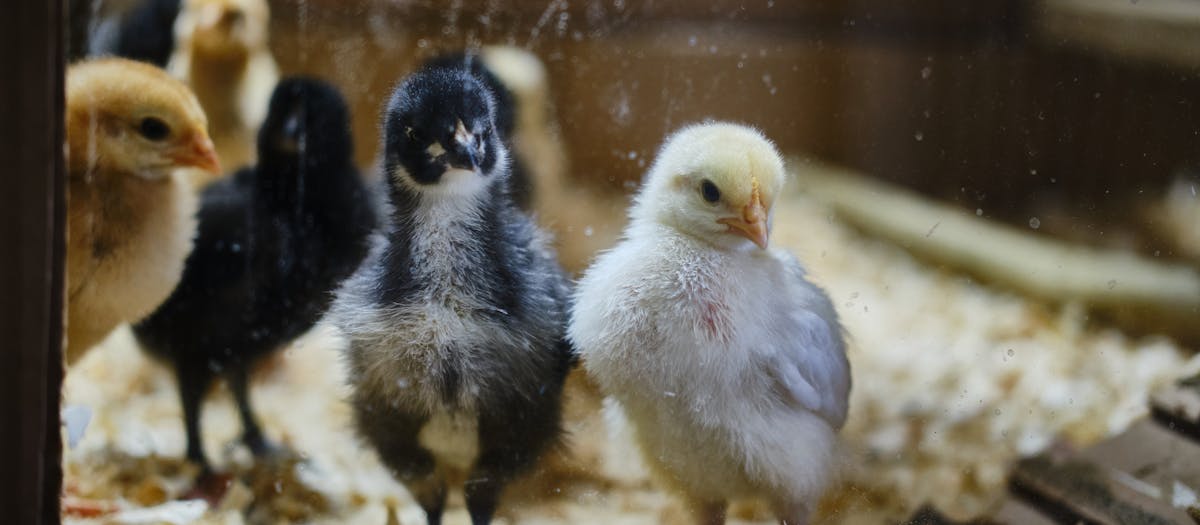
A chick heat plate is the safer modern alternative to a heat lamp: it mimics a broody hen, draws roughly a third of the power, and cannot set fire to your brooder. Our top pick overall is the Brinsea EcoGlow Safety 600 Brooder Plate. For larger broods, look at the Brinsea EcoGlow Safety 1200 Brooder Plate; the best value is the RentACoop 10x10" Adjustable Heating Plate with Anti-Roost Cone.
If you have only ever brooded chicks under a clamp lamp, the switch to a heat plate is the single easiest safety upgrade you can make — the year I changed over, the thing I noticed was not just the calmer chicks but how much better I slept not listening for the smell of scorched bedding. What follows is a spec-led comparison of five heat plates, verified against current Amazon listings, plus how to size and set one up.
Heat plate vs heat lamp — why this matters
The case for the heat plate comes down to four things. Fire risk: heat lamps cause brooder and coop fires every single year — a bulb that falls into pine shavings is an ignition source, and a heat plate is not. Power draw: a plate runs on roughly 12–60 W against a lamp's 150–250 W. Chick behaviour: chicks tuck under a plate in the dark, the way they would under a hen, instead of living under a bright light around the clock. The trade-off, stated honestly: a heat plate warms a smaller area than a lamp, so brood-size limits matter — you size the plate to the number of chicks, which the comparison table below makes easy.
Comparison table
Five chick heat plates, side by side on the specs that decide it — capacity, wattage and price. Capacity figures are the manufacturers' ratings for newly hatched chicks.
| Model | Best for | Capacity | Wattage | Price |
|---|---|---|---|---|
| Brinsea EcoGlow Safety 600 Brooder Plate | Best overall | Up to 20 newly hatched chicks (12 older) | 12 W | $61.99 |
| Brinsea EcoGlow Safety 1200 Brooder Plate | Best for larger broods | Up to 35 newly hatched chicks (20 older) | 18 W | $111.99 |
| RentACoop 10x10" Adjustable Heating Plate with Anti-Roost Cone | Best value | Up to 15 chicks | 15 W | $49.95 |
| Pitalok Chick Brooder Heating Plate | Best for small brooders | Up to 15 chicks | 15 W | $27.98 |
| RentACoop Big Red Barn Chick Brooder Set with Heating Plate | Best premium | Up to 8 chicks (first 6 weeks) | — | $259.95 |
Our top picks
Five picks, each matched to a brooder situation. Read the "best for" tag and find the one that fits your brood.
Best overall: Brinsea EcoGlow Safety 600 Brooder Plate

Best overall
Brinsea EcoGlow Safety 600 Brooder Plate (up to 20 chicks)
Brinsea
- Capacity: Up to 20 newly hatched chicks (12 older)
- Wattage: 12 W
- Power: Low voltage
- Adjustment: Adjustable screw-on legs
- Cord: 10 ft
Low-voltage radiant brooder plate that warms chicks from above like a hen, with no light, an indicator lamp and adjustable legs.
Last checked 2026-05-14
The pick for most backyard brooders. It is rated for up to 20 newly hatched chicks, draws just 12 W, and warms the birds from above with no light at all — which is exactly how a heat plate should work. The adjustable screw-on legs let you raise it as the chicks grow.
Who it is for: a typical home brood of a dozen or so chicks. What to watch: capacity is for newly hatched birds — a full 20 will outgrow it before the six weeks are up, so size honestly.
Best for larger broods: Brinsea EcoGlow Safety 1200 Brooder Plate

Best for larger broods
Brinsea EcoGlow Safety 1200 Brooder Plate (up to 35 chicks)
Brinsea
- Capacity: Up to 35 newly hatched chicks (20 older)
- Wattage: 18 W
- Power: Low voltage
- Adjustment: Adjustable height and angle
- Cord: 10 ft
The larger EcoGlow Safety plate, sized for bigger hatches, with adjustable height and angle and a connection safety indicator.
Last checked 2026-05-14
The large-brood pick. The bigger plate in the same trusted line, rated for up to 35 newly hatched chicks at 18 W, with adjustable height and angle and a connection safety indicator. If you are hatching or buying a big batch, this is the one that keeps them all covered.
Who it is for: larger broods that would crowd a standard plate. What to watch: make sure your brooder is physically big enough for the plate footprint plus feed and water.
Best value: RentACoop 10x10" Adjustable Heating Plate with Anti-Roost Cone

Best value
RentACoop 10x10" Adjustable Heating Plate with Anti-Roost Cone (up to 15 chicks)
RentACoop
- Capacity: Up to 15 chicks
- Plate size: 10 × 10 in
- Wattage: 15 W
- Adjustment: Adjustable height and angle
- Included: Foldable anti-roost cone
Energy-efficient radiant plate with an adjustable angle and an included anti-roost cone, with no thermostat to set up.
Last checked 2026-05-14
The value pick. A 10×10 inch adjustable plate rated for up to 15 chicks at 15 W, with an included foldable anti-roost cone so chicks do not perch on top and soil it. No thermostat to set — you just adjust the height. Honest performance for the price.
Who it is for: a first brood on a budget. What to watch: nothing significant — this is the sensible default if you do not need the larger capacity of the picks above.
Best for small brooders: Pitalok Chick Brooder Heating Plate

Best for small brooders
Pitalok Chick Brooder Heating Plate, 10x10" (up to 15 chicks)
Pitalok
- Capacity: Up to 15 chicks
- Plate size: 10 × 10 in
- Wattage: 15 W
- Adjustment: 25 height settings
- Material: ABS plastic
A compact, budget-priced radiant plate that fits easily into a small brooder box, with a wide range of height settings as chicks grow.
Last checked 2026-05-14
The small-brooder pick. A compact 10×10 inch plate at 15 W with 25 height settings, priced low and built to drop into a small brooder box without crowding out the feed and water. It is the one to buy when space, not capacity, is your constraint.
Who it is for: a handful of chicks in a tote-sized brooder. What to watch: it is a small-brood plate by design — do not stretch it past about 15 chicks.
Best premium: RentACoop Big Red Barn Chick Brooder Set with Heating Plate

Best premium
RentACoop Big Red Barn Chick Brooder Set with Heating Plate
RentACoop
- Capacity: Up to 8 chicks (first 6 weeks)
- Type: Complete brooder set with heating plate
- Included: Feeder, waterer, liners, LED light, security latch
- Build: Foldable, easy-clean plastic
- Doors: Clear-view
An all-in-one brooder kit — heating plate, feeder, waterer, liners and light in a foldable, wipe-clean plastic enclosure.
Last checked 2026-05-14
The premium pick — and really a complete kit rather than a bare plate. It pairs the heating plate with a feeder, waterer, liners, an LED light and a foldable, wipe-clean enclosure. For a first-time keeper who wants the whole brooder sorted in one purchase, that is the appeal.
Who it is for: first-timers who would rather buy one box than assemble a brooder piece by piece. What to watch: it is sized for a smaller brood and priced as a kit — you are paying for the convenience, which is a fair trade if you value it.
Sizing — which heat plate for your brood
Sizing a heat plate is about area, not just a headline number. Every chick needs room to tuck fully underneath, so match the plate's rated capacity to your brood — and remember the ratings assume newly hatched chicks. Birds double and triple in size over the brooding period, so a plate rated "up to 20" comfortably holds 20 in week one and far fewer by week five. If your brood is near a plate's limit, size up. Also check the plate footprint against your brooder dimensions: the plate, the feeder and the waterer all have to fit with room for chicks to move between them.
How to set up a chick heat plate
Set the plate so its surface sits about an inch above the backs of the tallest chicks — they should be able to stand and have their backs just brush it. Raise it a little each week as they grow, using the legs or height settings. Position it toward one end of the brooder, not the middle, so there is a clear warm zone and a cooler zone with feed and water in the cooler area — chicks will move between them to regulate themselves. As a rough ambient guide, aim for around 95°F under the plate in week one and let it fall roughly 5°F a week. The real instrument, though, is the chicks: huddled and loud means cold, spread to the corners means hot, contentedly scattered means right.
Heat plate vs heat lamp vs ceramic emitter
All three put out heat; they are not equal. The heat plate wins decisively on safety and running cost and is the right choice for virtually every backyard brooder. The heat lamp is cheap to buy and covers a wide area, but it is the fire-risk option and we do not recommend it. The ceramic emitter sits in between — no light, more coverage than a plate — and earns its place mainly in very large or commercial broods where covering the floor with plates becomes impractical. For a home brood, the plate is the answer.
Frequently asked questions
Are chick heat plates safer than heat lamps?
Yes. Heat lamps run at 150–250 W, get hot enough to start a fire if they fall into bedding, and cause brooder and coop fires every year. A heat plate runs cooler, draws far less power, and cannot ignite litter the way a bulb can. Safety is the main reason to switch.
What size heat plate do I need for 12 chicks?
For around a dozen chicks, look at a mid-size plate rated for that brood — roughly the 600-series Brinsea or a 10×10 inch plate. Capacity ratings assume newly hatched chicks; as they grow they need more room, so size up if your brood is near a plate’s limit.
How long do chicks need a heat plate?
Usually four to six weeks. Chicks need supplemental heat until they are fully feathered and the brooder’s ambient temperature matches the outdoors. Raise the plate weekly as they grow, then remove it once they are no longer huddling under it.
Can a heat plate cover a chick coop in winter?
Not really. Heat plates warm the small space directly under them, like a broody hen — they do not heat a whole coop. They are designed for an enclosed brooder, not as a coop heater for grown birds in winter.
What temperature should a chick brooder be?
Start the area under the plate at about 95°F in week one and drop it roughly 5°F a week by raising the plate. Chicks self-regulate: huddled and peeping means too cold, spread to the edges means too warm. Watch the birds, not just a thermometer.
How much electricity does a chick heat plate use?
Very little. Most plates draw between 12 and 60 W, against 150–250 W for a heat lamp. Over a six-week brooding period that difference is real money, and it is on top of the safety advantage.
Do chicks sleep under heat plates?
Yes — that is the design. Chicks tuck under a heat plate the way they would tuck under a broody hen, in the dark, which is closer to natural behaviour than sleeping under a bright lamp. They come out to eat and drink, then go back under.
Can heat plates replace heat lamps entirely?
For backyard brooders, yes. The one place lamps and ceramic emitters still win is very large commercial broods, where covering enough area with plates gets impractical. For a typical home brood, a correctly sized heat plate fully replaces the lamp.